Why Spring Is the Right Time to Lock In a Commercial Roof Maintenance Contract in Vermont
April in Vermont is a complicated month. The mud season is either winding down or making one last stand, the frost is slowly releasing its grip on the ground, and building owners across Chittenden County are finally getting a clear look at what winter left behind. For commercial property owners and managers in Milton and the greater Burlington area, this is the moment to take stock — and more importantly, to put a plan in place before the next problem becomes an emergency.
A commercial roof maintenance contract is one of the most practical investments a property owner can make. Not because it sounds good on paper, but because Vermont's climate makes it genuinely necessary. This post explains what a maintenance contract actually covers, why spring is the best time to start one, and how to think about the long-term value of protecting your commercial roof before small issues turn into five-figure repairs.
---
What Vermont Winter Actually Does to a Commercial Roof
If you own or manage a commercial building in Vermont, you already know that winter here is not gentle. But it helps to understand the specific mechanisms at work on your roof so you can make informed decisions about maintenance.
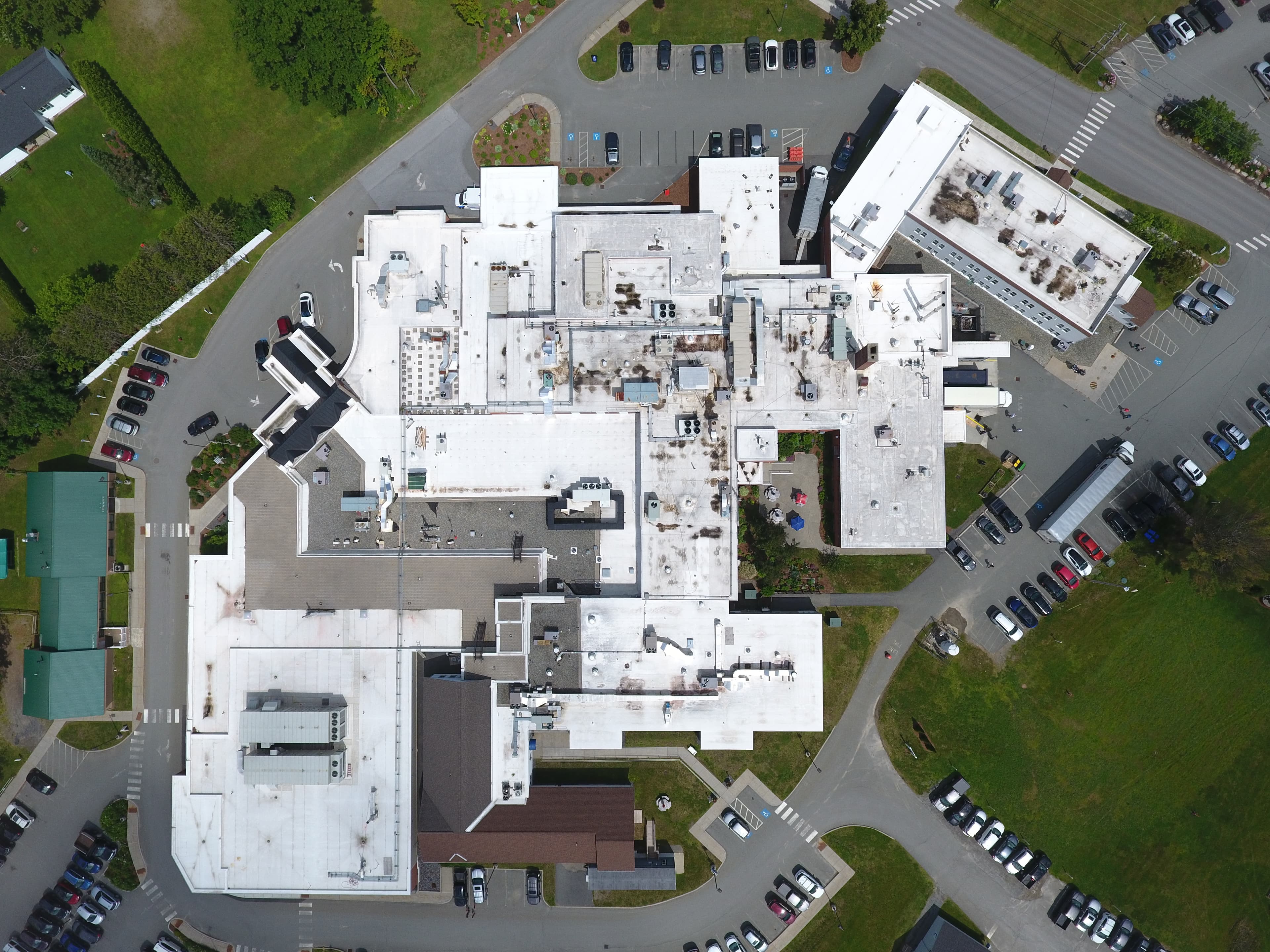
Ice damming is the most widely known issue, but it's often misunderstood. Ice dams form when heat escapes through the roof deck, melts the snow above it, and that meltwater refreezes at the eaves where the roof surface is colder. On a flat or low-slope commercial roof — which is common on retail buildings, light industrial facilities, and multi-unit properties throughout Chittenden County — pooling meltwater puts sustained pressure on seams, flashings, and membrane surfaces. Even a well-installed roof will show wear after several cycles of this.
Freeze-thaw cycling is what does the slow, invisible damage. Water finds its way into a micro-crack or a slightly lifted flashing. It freezes, expands, and widens the gap. It thaws, contracts, and pulls the material. Over a Vermont winter with its characteristic temperature swings — we regularly see 40-degree shifts within a single week between January and March — that process repeats dozens of times. By April, what was a hairline gap in October is now something that leaks during the first real rain.
Snow load and drift accumulation also creates issues that aren't always obvious from the ground. Commercial roofs in northern Vermont regularly absorb 30 to 50 pounds per square foot in heavy snow years. Even after the snow clears, that sustained weight can stress membrane adhesion, compress insulation, and alter the drainage slope on flat roofs in ways that promote ponding water through spring and summer.
---
What a Commercial Roof Maintenance Contract Actually Includes
The term "maintenance contract" gets used loosely, so it's worth being specific about what a well-structured program should cover for a Vermont commercial property.
Scheduled Inspections — Twice a Year at Minimum
A serious maintenance program includes at least a spring inspection and a fall inspection. The spring inspection — ideally done in April or early May before heavy rain season — focuses on identifying winter damage: lifted or cracked membrane sections, compromised flashings around HVAC penetrations and skylights, clogged or damaged drainage systems, and any areas where seams have started to separate. The fall inspection focuses on preparing the roof for what's coming: clearing debris, checking drainage before freeze-up, and addressing anything that could turn into an ice dam problem.
For Milton properties and surrounding towns like Georgia, St. Albans, or Colchester where wind exposure and lake-effect moisture from Lake Champlain add extra stress to roofing systems, twice-yearly inspections are a floor, not a ceiling.
Documented Condition Reporting
Every inspection should produce written documentation with photos. This matters for a few reasons. First, it gives you a baseline so you can track how the roof is aging and make informed decisions about repair versus replacement down the road. Second, it creates a record that supports insurance claims when weather events cause damage. Third, it protects you legally if a tenant or visitor claims a leak caused damage to their property — you have documentation showing the roof's condition and that you were actively maintaining it.
Preventive Repairs Included Within Scope
The best maintenance contracts include a defined scope of minor repairs — things like resealing flashings, patching small membrane punctures, clearing drains, and resetting lifted edge metal — without triggering a separate service call charge every time. This is where the real value lives. Catching and fixing a $200 flashing problem before it becomes a $4,000 water intrusion repair is exactly the point.
Priority Scheduling for Emergency Response
Contract customers should receive priority scheduling when something goes wrong. In Vermont, emergency roof situations — a sudden heavy rain exposing a winter leak, ice dam damage that wasn't caught in time, wind damage from a spring storm — tend to happen when every contractor in the region is slammed. Having an existing relationship with a contractor means you're not starting from scratch trying to find someone available when half of Chittenden County is dealing with the same storm.
---
The Financial Case for Preventive Maintenance
The roofing industry has solid data on this, and it holds up in practice. A well-maintained commercial roof that receives regular inspections and minor preventive repairs will typically last 25 to 40 percent longer than an unmaintained roof of identical materials and installation quality. On a commercial TPO or EPDM membrane roof — which might cost $80,000 to $150,000 to replace on a mid-sized Vermont commercial building — extending the service life by even five years is a significant financial outcome.
More immediately, maintenance contracts prevent the specific category of repair that hurts the most: emergency water intrusion during an active rain event. When water gets into a commercial building, the damage multiplies quickly. Insulation becomes saturated and loses R-value. Sheathing and structural members can begin to deteriorate. Interior finishes, equipment, and inventory get damaged. Mold becomes a concern within 24 to 48 hours in the right conditions. A single emergency event can easily cost more than a decade of maintenance contract fees.
For property managers overseeing multiple buildings — a common situation in the Milton and South Burlington corridor where commercial development has grown significantly — maintenance contracts also simplify budgeting. Predictable annual costs are easier to plan around than unpredictable emergency repairs.
---
Spring Is Also When Siding Problems Surface
While the focus of this post is commercial roofing, it's worth noting that April is also when building envelopes in general show what winter did to them. Siding season is opening up across Vermont right now, and many of the commercial properties we inspect in spring have siding issues that developed alongside or contributed to their roofing problems.
Fascia and soffit damage from ice dams, blown-off or cracked vinyl panels from wind events, moisture infiltration behind fiber cement or wood siding on older buildings — these are not just cosmetic issues. They affect the building's ability to manage moisture, which directly connects to long-term structural health and energy performance. If your spring inspection turns up siding problems alongside roofing issues, addressing them together is almost always more efficient and cost-effective than treating them as separate projects.
---
How to Evaluate Whether a Maintenance Contract Makes Sense for Your Property
Not every building needs the same level of coverage. Here are a few factors worth thinking through:
Roof age and condition. A roof that's under ten years old and was properly installed may need less intensive monitoring than a 20-year-old roof approaching the end of its expected service life. That said, older roofs are exactly where a maintenance contract pays for itself most clearly.
Roof type and complexity. Flat and low-slope roofs with multiple penetrations — HVAC units, skylights, exhaust vents, conduit — have more potential failure points than simple sloped roofs. More penetrations generally means more value from regular inspection.
Tenant and liability exposure. If your building houses tenants, customers, or employees, the liability exposure from an unaddressed leak is higher than if it's a storage facility with limited occupancy. The bar for proactive maintenance should be proportionally higher.
Your own bandwidth. Property managers handling multiple buildings in the greater Burlington area often don't have time to personally track the condition of every roof. A maintenance contract with a reliable contractor effectively delegates that responsibility to someone with the expertise to catch things that wouldn't be obvious to a non-roofer.
---
Getting Started This Spring
The practical window for spring inspections in Vermont runs roughly from mid-April through late May. Once summer construction season fully opens, scheduling gets tighter and the queue for any identified repair work gets longer. Starting the conversation now — while the ground is thawing and before the full spring rain season hits — means you're in a position to get ahead of problems rather than react to them.
All-Star Contracting is a licensed Vermont roofing and siding contractor serving Milton and commercial and residential properties throughout the state. If you're managing a commercial building and want to talk through what a maintenance program would look like for your specific property, give us a call at (802) 305-8151 or visit allstarcontracting.pro. We're not going to sell you something you don't need — but we will give you an honest assessment of what your roof actually requires.
---
Frequently Asked Questions
What does a commercial roof maintenance contract typically cost in Vermont?
Costs vary depending on the size of the building, roof type, number of penetrations, and the scope of services included. For a mid-sized commercial building in the 5,000 to 15,000 square foot range, annual maintenance contracts in Vermont typically range from $800 to $2,500 per year. That figure generally covers two scheduled inspections and a defined scope of minor preventive repairs. Emergency response and major repairs are typically billed separately. The key comparison isn't contract cost versus zero — it's contract cost versus the likely cost of one unaddressed leak event, which can easily run $5,000 to $20,000 or more when interior damage is included.
How often should a commercial roof be inspected in Vermont specifically?
Twice a year is the industry standard, and Vermont's climate makes that minimum worth taking seriously. A spring inspection after the freeze-thaw season and a fall inspection before winter sets in addresses the two highest-risk transition periods. Buildings with older roofs, complex drainage systems, or significant HVAC penetrations may benefit from quarterly walkthroughs. After any significant weather event — heavy snow load, ice storm, or high wind — a prompt inspection is warranted regardless of where you are in the annual cycle.
Can I combine roof and siding maintenance under a single contract?
Yes, and for many Vermont commercial properties it makes sense to do so. Roofing and siding systems interact — fascia, soffit, and wall flashings connect the two — and problems in one area often have implications for the other. A contractor who inspects both under a single agreement can identify those interactions more effectively than two separate contractors working in isolation. It also simplifies scheduling, billing, and documentation.
What should I look for after this past winter before calling a contractor?
From the ground, look for visible damage to edge metal or gutters, staining on exterior walls below roof level (which can indicate overflow or flashing failure), and any siding panels that appear buckled, cracked, or separated from the wall surface. On the interior, water stains on ceiling tiles or decking, musty odors, or any sign of moisture near roof penetrations or exterior walls are worth flagging immediately. You don't need to get on the roof yourself — a professional inspection will catch things that aren't visible from grade — but a quick exterior and interior walkthrough gives you useful information before the call.
Frequently Asked Questions
What does a commercial roof maintenance contract typically cost in Vermont?
For a mid-sized commercial building in the 5,000 to 15,000 square foot range, annual maintenance contracts in Vermont typically range from $800 to $2,500 per year. That figure generally covers two scheduled inspections and a defined scope of minor preventive repairs. Emergency response and major repairs are typically billed separately. The meaningful comparison is contract cost versus the likely cost of a single unaddressed leak event, which can easily run $5,000 to $20,000 or more when interior damage is factored in.
How often should a commercial roof be inspected in Vermont?
Twice a year is the standard minimum, and Vermont's climate — with its sustained freeze-thaw cycling and heavy snow loads — makes that worth taking seriously. A spring inspection after winter and a fall inspection before freeze-up cover the two highest-risk transition periods. Older roofs, complex systems, or any significant weather event may warrant additional inspections beyond that schedule.
Can I combine roof and siding maintenance under a single contract?
Yes, and for many Vermont commercial properties it makes practical sense. Roofing and siding systems are connected through flashings, fascia, and soffit components. A contractor inspecting both can identify interactions between systems that separate contractors might miss. It also simplifies scheduling, billing, and condition documentation.
What should I look for on my Vermont commercial building after winter before calling a contractor?
From the ground, check for damaged edge metal or gutters, wall staining below roof level indicating flashing failure or overflow, and any siding that appears buckled, cracked, or separated. Inside, look for water stains on ceiling materials, musty odors, or moisture near roof penetrations and exterior walls. You don't need roof access yourself — a professional inspection will catch what isn't visible from grade — but a quick interior and exterior walkthrough gives you useful information before the call.
Need Help With Your Roof or Siding?
Schedule a free inspection — we'll assess your property and give you an honest recommendation.