
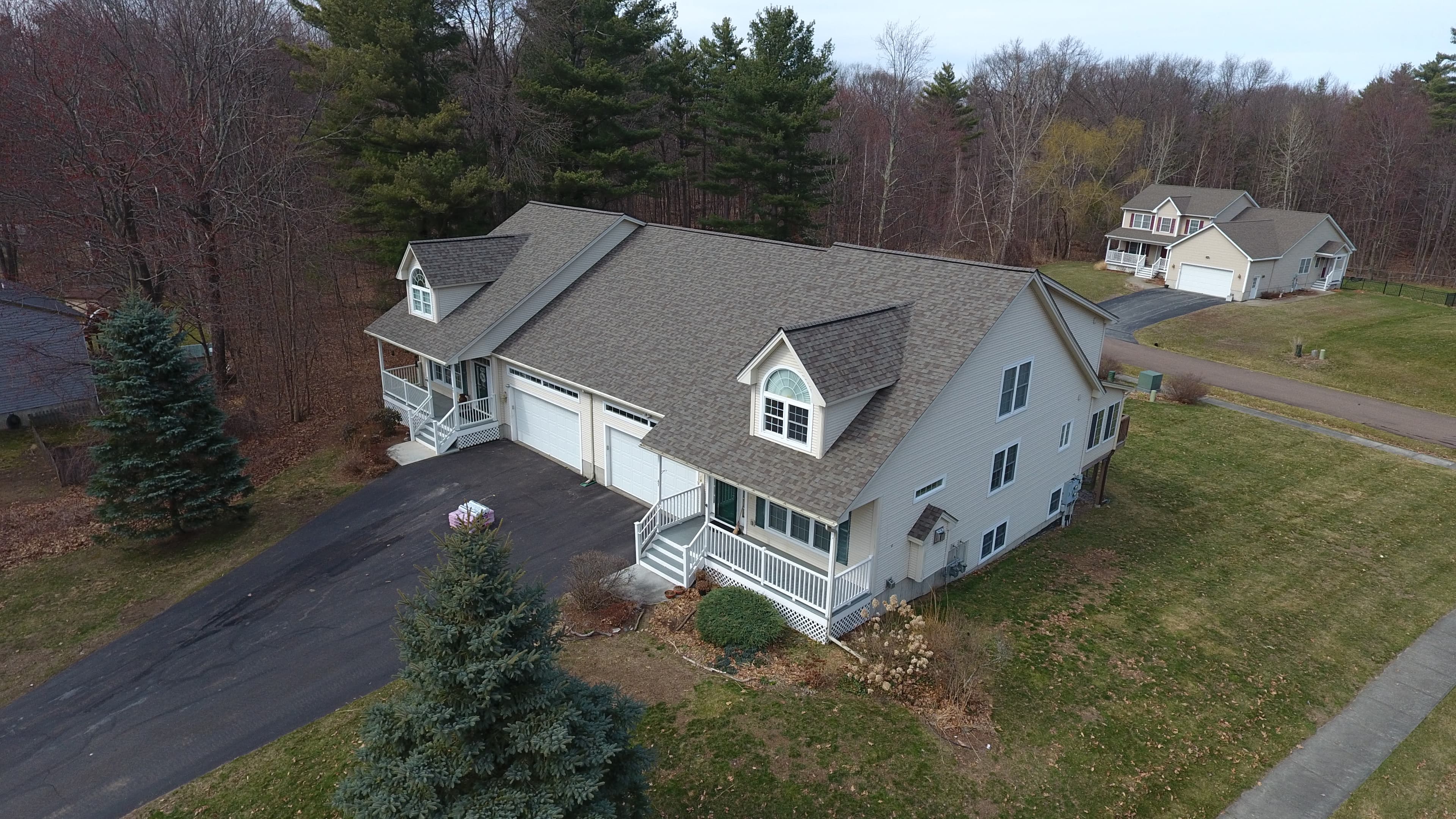
What Vermont's Winter Actually Does to Your Roof — And How to Find Out
March in Vermont has a way of revealing things. The snow starts pulling back from the fields, the mud season kicks in along Route 313, and all those problems that built up quietly under three feet of snowpack suddenly come into view. For homeowners in Arlington and across Bennington County, this is the time of year when the roof you mostly forgot about all winter deserves your full attention.
This isn't about alarm. It's about timing. The damage that gets caught in March — before the spring rains arrive in earnest and before summer humidity sets in — is the damage that stays manageable. The damage that goes unnoticed until August tends to show up as a water stain on a bedroom ceiling, a mold problem in the attic, or a repair bill that's grown significantly from what it would have cost six months earlier.
Here's what you need to know about assessing your roof after a Vermont winter.
---
Why Vermont Winters Are Uniquely Hard on Roofing Systems
Vermont doesn't get just one type of winter stress — it gets several, often layered on top of each other within the same week.
The freeze-thaw cycle is the big one. A typical winter in southwestern Vermont will cycle through dozens of freezing and thawing events. Water finds its way into tiny cracks in flashing, around chimney bases, under slightly lifted shingles. It freezes, expands, and forces those openings wider. Then it thaws, refreezes, and does it again. By March, what started as a hairline gap can be a real problem.
Snow load is another factor people underestimate. A foot of wet, dense Vermont snow — the kind we get in late February and early March — can weigh 20 pounds per square foot or more. That weight doesn't just stress the structural elements of your roof. It shifts things. Flashing moves. Valleys compress. Gutters that were hanging true in October are now sagging or pulling away from the fascia.
And then there are ice dams. Anyone who's owned a home in Arlington or up in the hill towns around Manchester and Dorset knows the picture: a thick ridge of ice forming at the eave, sometimes with icicles hanging down, sometimes with water visibly ponding behind it. When that water backs up under the shingles — and it will, if the dam is significant — you get infiltration that travels in unpredictable directions once it gets inside the roof assembly.
---
What to Look For From the Ground
You don't need to climb onto your roof to do a meaningful initial assessment. In fact, in March, with ice still potentially present on the surface, getting up on the roof yourself is genuinely dangerous and usually unnecessary. A careful ground-level inspection covers more than most people realize.
Shingle Condition
Walk the perimeter of your house with a good pair of binoculars on a clear day. You're looking for:
- Missing shingles — gaps in the field are obvious, but also check ridge caps and hip lines where shingles tend to lift in high winds
- Curling or cupping — shingle edges that are turning up or curling back indicate they've lost flexibility, which makes them vulnerable to cracking under ice and snow load
- Granule loss — check your gutters and the ground around your downspouts. A heavy accumulation of granules after winter is a sign your shingles are aging out
- Visible sagging — any section of the roof that looks like it's bowing or dipping inward warrants a closer look from a professional
Gutters and Drainage
Gutters take a significant beating over a Vermont winter. Look for:
- Sections that are pulling away from the fascia board
- Visible bends, dents, or sections that are no longer sloping correctly toward the downspout
- Downspouts that have separated at their joints
- Signs of overflow damage on the fascia and soffit below
Chimney and Flashings
Chimneys are one of the most common entry points for water in New England homes. From the ground, look for:
- Flashing that appears to be lifting, buckling, or separating from the chimney base
- Mortar joints that look cracked, crumbling, or missing between the chimney bricks
- The chimney cap — is it still in place and intact?
---
Inside the House: The Attic Tells the Story
If you have attic access, spending fifteen minutes up there in March is one of the most valuable things you can do for your home. Bring a flashlight and look for:
- Daylight coming through the roof deck — any visible light is a problem
- Water staining or dark streaking on the rafters or sheathing, even if it feels dry now
- Frost or moisture on the underside of the roof deck — this indicates either inadequate ventilation or air leakage from the living space below
- Compressed or wet insulation — insulation that's gotten wet loses most of its R-value and can take a very long time to dry out, sometimes leading to mold
- Soft or spongy areas in the sheathing — if you can safely reach the decking and it gives underfoot or feels soft to the touch, that's rot, and it needs to be addressed before any new roofing goes on top of it
---
Siding: Don't Overlook the Walls
Roofing and siding work together as a system, and Vermont winters are hard on both. While you're doing your spring walkthrough, check the siding as well.
Look for:
- Paint that's peeling in large sections, particularly on north-facing walls where moisture accumulates
- Wood siding that's showing signs of swelling, cracking, or checking
- Vinyl siding panels that have cracked from impact or cold-weather brittleness — vinyl becomes very fragile below freezing and can shatter rather than flex when hit by ice or debris
- Caulking around windows and trim that has shrunk, cracked, or pulled away from the substrate
- Any areas where siding panels have shifted or separated, creating gaps where water and pests can enter
---
When to Call a Professional
A ground-level inspection is a solid starting point, but there are situations where getting a licensed contractor on the roof is the right call:
- You can see missing shingles or visible damage and want an accurate scope of repairs before contacting your insurance company
- Your home is more than 15–20 years old and hasn't had a professional inspection recently
- You had significant ice dam activity this winter and want to confirm whether infiltration occurred
- You noticed water stains inside that you can't trace to an obvious source
- You're planning to sell the property and want a clear picture of the roof's condition before listing
---
A Note on Insurance Claims
If your inspection turns up damage that you believe was caused by this winter's storms or ice events, document everything with photos before any repairs are made. Vermont homeowners' policies vary significantly in how they handle ice dam damage versus wind damage versus general wear, and having a clear, timestamped photographic record gives you a much stronger position when working with an adjuster.
A licensed contractor can also provide a written assessment that documents the cause and extent of damage — something that's often required when filing a claim.
---
Get Eyes on It Before the Spring Rains Come
The window between the end of significant snowfall and the beginning of Vermont's wet spring is short. If there's damage on your roof right now, every rain event between now and June is an opportunity for water to get further into your home.
All-Star Contracting is a licensed Vermont roofing and siding contractor serving Arlington, the greater Bennington County area, and communities statewide. If you'd like to schedule a spring inspection or want to talk through what you're seeing on your property, give us a call at (802) 305-8151 or visit allstarcontracting.pro. We'll give you a straight answer about what needs attention now and what can wait.
---
Frequently Asked Questions
How do I know if my roof was damaged by ice dams this winter?
The most common signs are water stains on ceilings or interior walls near the eaves, paint peeling on the underside of roof overhangs, and visible damage to the shingles along the lower edge of the roof. In the attic, look for water staining on the sheathing or insulation that's compressed or discolored near the eaves. Ice dams can cause infiltration that doesn't show up immediately — sometimes the water travels along rafters before it becomes visible inside.
Is March too early to have a roof inspection done in Vermont?
March is actually one of the best times. The roof is visible again after snowmelt, damage from the winter is fresh and easier to assess, and scheduling is typically more flexible before the busy spring and summer season begins. Getting an inspection done now means any necessary repairs can be completed before spring rains arrive and before contractor schedules fill up.
What's the average lifespan of a roof in Vermont's climate?
Asphalt shingles typically last 20–30 years in Vermont, though the freeze-thaw cycle and ice dam exposure can shorten that range on homes with inadequate attic insulation or ventilation. Metal roofing tends to hold up better to Vermont conditions and can last 40–50 years or more with proper installation. The specific lifespan depends heavily on the installation quality, ventilation, and how well the home manages snow and ice load.
How can I prevent ice dams from forming next winter?
Ice dams form when heat escapes from the living space into the attic, warms the roof deck, and melts snow that then refreezes at the cold eaves. The most effective long-term solutions are improving attic insulation to reduce heat loss and ensuring the attic has adequate ventilation so the roof deck stays closer to outside air temperature. Sealing air leaks between the living space and attic is often more impactful than adding more insulation. A contractor can assess your current insulation and ventilation levels as part of a spring inspection.
Frequently Asked Questions
How do I know if my roof was damaged by ice dams this winter?
The most common signs are water stains on ceilings or interior walls near the eaves, paint peeling on the underside of roof overhangs, and visible damage to the shingles along the lower edge of the roof. In the attic, look for water staining on the sheathing or insulation that's compressed or discolored near the eaves. Ice dams can cause infiltration that doesn't show up immediately — sometimes the water travels along rafters before it becomes visible inside.
Is March too early to have a roof inspection done in Vermont?
March is actually one of the best times. The roof is visible again after snowmelt, damage from the winter is fresh and easier to assess, and scheduling is typically more flexible before the busy spring and summer season begins. Getting an inspection done now means any necessary repairs can be completed before spring rains arrive and before contractor schedules fill up.
What's the average lifespan of a roof in Vermont's climate?
Asphalt shingles typically last 20–30 years in Vermont, though the freeze-thaw cycle and ice dam exposure can shorten that range on homes with inadequate attic insulation or ventilation. Metal roofing tends to hold up better to Vermont conditions and can last 40–50 years or more with proper installation. The specific lifespan depends heavily on installation quality, ventilation, and how well the home manages snow and ice load.
How can I prevent ice dams from forming next winter?
Ice dams form when heat escapes from the living space into the attic, warms the roof deck, and melts snow that then refreezes at the cold eaves. The most effective long-term solutions are improving attic insulation to reduce heat loss and ensuring the attic has adequate ventilation so the roof deck stays closer to outside air temperature. Sealing air leaks between the living space and attic is often more impactful than adding more insulation. A contractor can assess your current insulation and ventilation levels as part of a spring inspection.
Need Help With Your Roof or Siding?
Schedule a free inspection — we'll assess your property and give you an honest recommendation.