
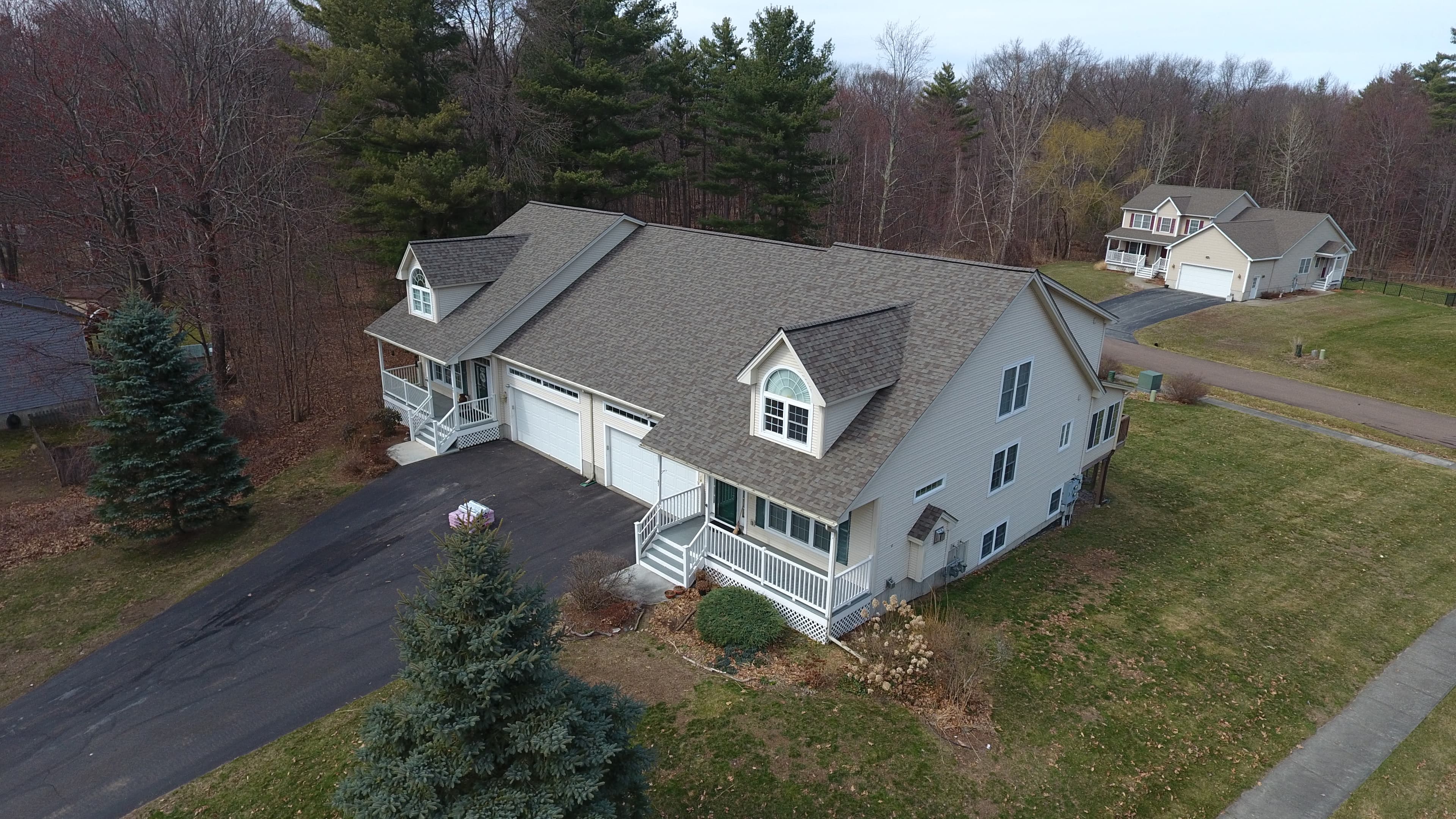
Spring Has Arrived — and So Has the Work
Anyone who's spent a winter in Vermont knows what the snowmelt reveals. Ice dams. Lifted shingles. Fascia boards that took on water during a February thaw. By the time April rolls around, the damage your roof absorbed from November through March starts showing itself in ways you can actually see — and some ways you can't.
Spring is when we start getting calls from homeowners in Springfield, Weathersfield, Chester, and all across Windsor County who noticed something over the winter and finally have a dry week to deal with it. That timing makes sense. But waiting too long into the season creates its own problems. Roofing and siding contractors in Vermont stay busy from May through October, and the homeowners who reach out early tend to get better scheduling, better pricing, and most importantly — repairs done before the next problem starts.
This post lays out what to actually look for this spring, what's worth fixing now versus later, and how to make smart decisions about your home's exterior envelope.
---
What a Vermont Winter Does to Your Roof
Vermont winters don't punch once — they punch repeatedly. A cold snap in November, a January thaw that sends water everywhere, another freeze, a heavy wet snow in March, and then a freeze-thaw cycle in April that can be worse than anything in January. Each one of those events stresses your roofing system differently.
Ice Dams: The Most Common Culprit
Ice dams form when heat escaping from your living space warms the roof deck, melts the snow above, and then refreezes at the cold eaves. That standing water backs up under your shingles — sometimes several feet — and works its way into your sheathing, insulation, and eventually your ceilings.
The ice is gone by April, but the evidence isn't. Look for:
- Water staining on interior ceilings, especially near exterior walls or directly below the roofline
- Peeling paint on soffits or interior walls near the top floor
- Granule loss on shingles near the eaves — ice dam pressure strips granules and accelerates aging
- Lifted or cracked shingles along the lower courses
- Rust stains around pipe boots or flashing, which suggests water has been pooling
Flashing Failures
Flashing is the metal work that seals the joints between your roof and everything that penetrates or intersects it: chimneys, skylights, plumbing vents, dormers, and valleys. It's also the most common place a Vermont roof fails, because freeze-thaw cycles work metal back and forth over years until the sealant cracks and the flashing lifts.
From the ground with binoculars, look for flashing that's visibly separated from the chimney or pulling away from a dormer wall. If you can safely get into your attic, look for daylight or moisture staining around any penetrations.
Wind Damage
Vermont gets some real wind events, particularly in exposed areas — hilltops in Cavendish, ridgelines above Ludlow, open farmland stretching toward the Connecticut River valley. Wind damage often shows up as missing or lifted tab shingles, particularly at rakes and ridges. Those exposed edges are where shingles take the most lateral force.
A few missing shingles are a straightforward repair. A pattern of lifted shingles across a whole slope is a sign of adhesive failure and may indicate the roof is past the point where spot repairs make economic sense.
---
Spring Is Also Siding Season
Most people think about their roof first in spring, which makes sense — but siding takes the same abuse and deserves the same attention. Vinyl, fiber cement, and wood siding all respond differently to Vermont winters, and April is the right time to walk your foundation line and look carefully at what's happening.
What to Check on Your Siding
Wood and engineered wood siding: Look for paint that's peeling, bubbling, or flaking — especially on north-facing walls that stay damp longer. Soft spots when you press on a board indicate moisture intrusion. Check the bottom courses closest to the ground, where snowpack sat all winter.
Vinyl siding: Cold makes vinyl brittle, and a branch impact or a bad ice event can crack panels that looked fine last fall. Walk the perimeter and look for cracked panels, gaps at the seams, or sections that have pulled away from the trim. Also check J-channels around windows and doors — those gaps are surprisingly effective at funneling water into your wall cavity.
Fiber cement: Generally the most durable option in Vermont's climate, but it still needs attention. Look for paint adhesion issues, cracked or chipped edges, and any gaps at penetrations or trim intersections.
All siding types: Check your caulking. Caulk at window and door trim, corner posts, and utility penetrations shrinks and cracks over time, and a failed caulk joint is an open invitation for water. This is an inexpensive fix that prevents expensive damage.
Why Siding Replacements Happen in Spring
Spring is when siding projects get scheduled and summer is when they get done — at least for most reputable contractors with full crews. If you're considering a siding replacement this year, April and May is the time to get on the schedule. By July, most contractors in central and southern Vermont are booked solid.
If you're on the fence about whether your siding needs replacing or just maintenance, here's a simple framework: if you're doing spot repairs on the same house every year and the overall system is failing in multiple places, the math often favors replacement. A wholesale siding replacement on a properly prepared house can last 30–50 years depending on the product and installation quality.
---
A Practical Spring Inspection Checklist
You don't need a contractor to do a first pass on your own home. Here's how to do a responsible ground-level inspection:
From the ground, looking up:
- Use binoculars — your eyes will thank you and you'll see more than you expect
- Check the ridgeline for sagging or displacement
- Look at both slopes for missing, lifted, or inconsistent shingles
- Inspect all visible flashing points: chimney, skylights, pipe boots
- Look at the gutter condition — sagging gutters can indicate fascia damage from ice
- Check all siding for cracks, gaps, soft spots, or paint failure
- Inspect caulking at every window, door, and penetration
- Look at the connection between siding and trim boards
- Check that grade slopes away from your foundation — poor drainage accelerates moisture problems at the base of your walls
- Look at ceilings on the top floor, especially in closets and near exterior walls
- Check your attic if accessible — look for daylight, staining, mold, or wet insulation
- Smell matters. A musty attic in April often means moisture got in over winter.
When to Call a Professional
Some of what you find will be obvious DIY territory — re-caulking a window, replacing a few shingles if you're comfortable on a roof and have the right materials. But there are situations where a professional assessment is genuinely worth the cost.
Call a licensed contractor if:
- You find water staining inside your home and can't identify the source
- Your roof is more than 15–20 years old and you've never had a formal inspection
- You had significant ice dams this winter
- You're seeing multiple failure points across your roof or siding — that pattern matters
- You're planning to sell within the next few years and want an honest read on condition
- Your property is commercial and deferred maintenance creates liability exposure
---
Make the Call Before the Schedule Fills
April in Vermont is early enough that most contractors still have open slots for inspections and smaller repairs. By June, the realistic timeline for non-emergency work stretches out considerably.
If you want an experienced set of eyes on your roof or siding before the season gets away from you, give All-Star Contracting a call. We're a licensed Vermont roofing and siding contractor serving Springfield and communities across Windsor County and beyond. We do honest assessments — if it doesn't need replacing, we'll tell you that too. Reach us at (802) 305-8151 or visit allstarcontracting.pro.
---
Frequently Asked Questions
Q: How do I know if I actually have ice dam damage or just cosmetic issues from winter?
The clearest signs of actual water intrusion from ice dams are interior ceiling stains (often yellowish or brown), paint bubbling on walls near the top floor, or swollen/warped trim on the interior side of exterior walls. Granule loss and lifted shingles on the lower roof courses suggest the ice dam was large enough to cause mechanical damage even if water didn't get in. If you're unsure, a licensed contractor can inspect your attic and roof deck and tell you definitively what happened.
Q: Is spring or fall a better time to replace a roof in Vermont?
Both work, but spring and early summer have practical advantages. Shingle adhesive sets better in warmer temperatures, the days are longer for installation crews, and you have the whole summer and fall ahead of you before the next winter stresses the new system. Fall replacements are fine but require more attention to timing — a roof that gets installed in late October needs its adhesive strips to bond before freeze-up, which doesn't always cooperate.
Q: My siding looks okay, but my heating bills went up this winter. Could siding be the issue?
Possibly, but the more likely culprits are your attic insulation, air sealing, or windows. Siding itself has minimal insulating value regardless of type. However, if your siding has gaps, failed housewrap underneath, or sections where moisture has degraded the wall cavity insulation behind it, that can contribute to energy loss. A good contractor can peel back a section in a discreet location to see what the wall assembly looks like behind the cladding.
Q: Do I need a permit for a roof replacement in Vermont?
In most Vermont municipalities, a straight reroof — removing existing shingles and installing new ones on the same deck — does not require a building permit, though local rules vary. If you're changing the roof structure, adding dormers, or doing work that affects the load-bearing elements, a permit is typically required. Your contractor should know the specific requirements in your town. In Springfield and Windsor County, the town clerk or zoning office can confirm local requirements quickly if there's any question.
Frequently Asked Questions
How do I know if I actually have ice dam damage or just cosmetic issues from winter?
The clearest signs of actual water intrusion from ice dams are interior ceiling stains (often yellowish or brown), paint bubbling on walls near the top floor, or swollen/warped trim on the interior side of exterior walls. Granule loss and lifted shingles on the lower roof courses suggest the ice dam was large enough to cause mechanical damage even if water didn't get in. If you're unsure, a licensed contractor can inspect your attic and roof deck and tell you definitively what happened.
Is spring or fall a better time to replace a roof in Vermont?
Both work, but spring and early summer have practical advantages. Shingle adhesive sets better in warmer temperatures, the days are longer for installation crews, and you have the whole summer and fall ahead before the next winter stresses the new system. Fall replacements are fine but require more attention to timing — a roof installed in late October needs its adhesive strips to bond before freeze-up, which doesn't always cooperate.
My siding looks okay, but my heating bills went up this winter. Could siding be the issue?
Possibly, but the more likely culprits are attic insulation, air sealing, or windows. Siding itself has minimal insulating value regardless of type. However, if your siding has gaps, failed housewrap underneath, or sections where moisture has degraded the wall cavity insulation behind it, that can contribute to energy loss. A good contractor can peel back a section in a discreet location to see what the wall assembly looks like behind the cladding.
Do I need a permit for a roof replacement in Vermont?
In most Vermont municipalities, a straight reroof — removing existing shingles and installing new ones on the same deck — does not require a building permit, though local rules vary. If you're changing the roof structure, adding dormers, or doing work that affects load-bearing elements, a permit is typically required. Your contractor should know the specific requirements in your town. In Springfield and Windsor County, the town clerk or zoning office can confirm local requirements quickly.
Need Help With Your Roof or Siding?
Schedule a free inspection — we'll assess your property and give you an honest recommendation.