
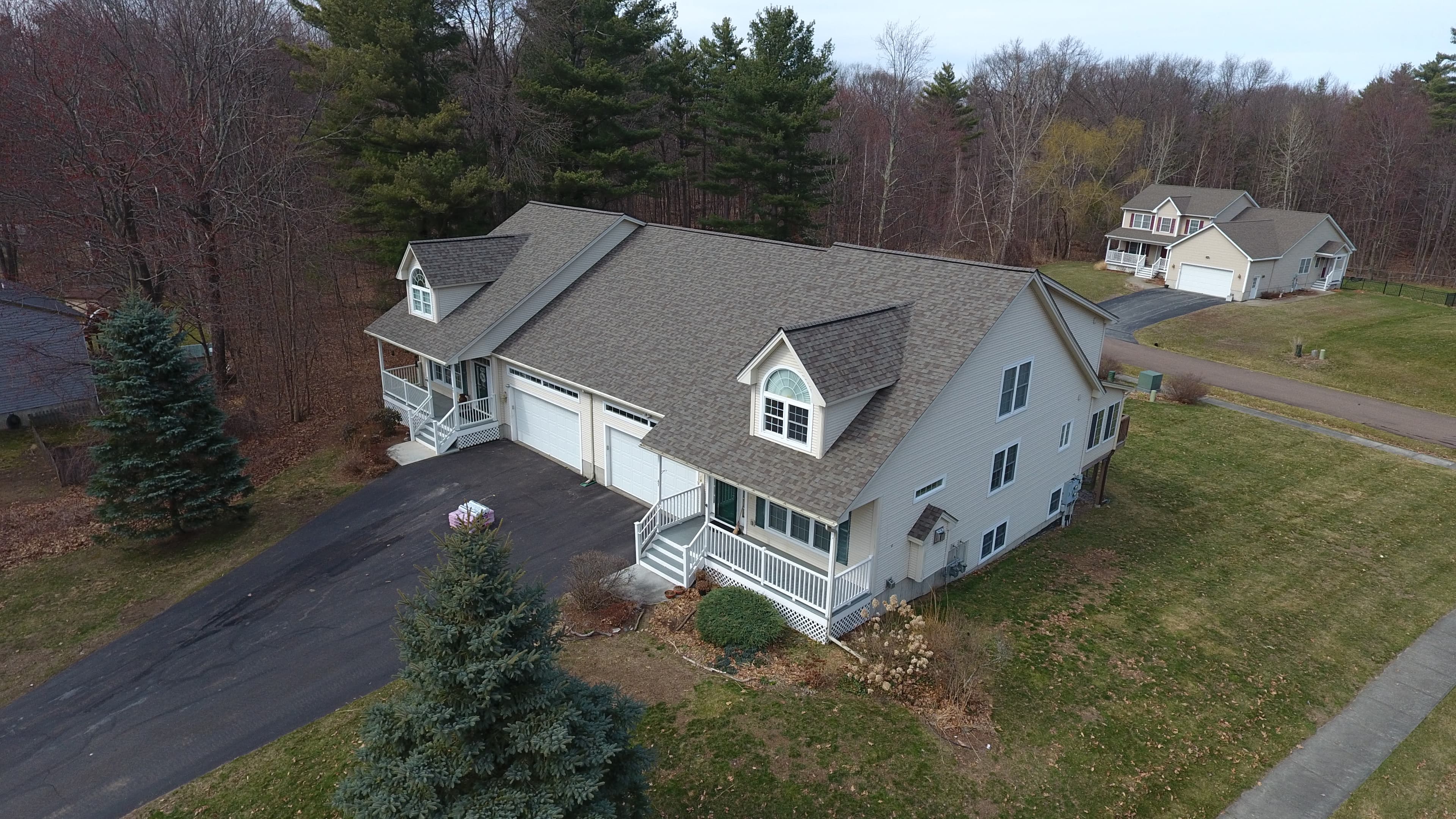
What the Spring Thaw Really Does to Vermont Homes
March in the Northeast Kingdom is a season of contradictions. The days are getting longer, the maple sap is running, and Burke Mountain still has plenty of skiable snow — but underneath all that, the freeze-thaw cycle is doing quiet, persistent damage to homes all across Caledonia County.
This time of year, we get calls from homeowners who noticed a water stain on their ceiling for the first time, or spotted a gap in their siding they swear wasn't there in October. Most of the time, the damage didn't happen overnight. It built up through months of cold, snow, ice, and expansion — and the spring thaw is just when it finally becomes visible.
If you own a home in the Burke area or anywhere in Vermont's Northeast Kingdom, March and April are the most important weeks of the year to pay attention to your exterior envelope — your roof, siding, trim, and the critical intersections between them. What you find now, and how fast you respond, will determine whether you're looking at a manageable repair or a significant restoration project down the road.
---
Why Vermont's Freeze-Thaw Cycle Is Uniquely Destructive
Vermont doesn't just get cold and stay cold. We cycle. A typical Northeast Kingdom winter includes dozens of freeze-thaw events — nights dropping well below zero followed by afternoons above freezing, sometimes within the same 24-hour window.
Every time water gets into a small crack or gap and then freezes, it expands with enormous force — enough to widen that crack, push flashing away from a chimney, or separate siding from its substrate. By late February and March, that process has repeated itself 30, 40, maybe 50 times since November.
Add to that our heavy snow loads. A single wet snowstorm can dump two feet on a Burke hillside property. That weight stresses roof decking, compresses insulation, and — most dangerously — creates the conditions for ice dams.
Understanding Ice Dams (And What They Actually Damage)
Ice dams form when heat escaping through your roof melts the snowpack from beneath. That meltwater runs down to the cold eave, refreezes, and builds up a ridge of ice. Water then backs up behind the dam and, with nowhere else to go, works its way under shingles and into your home.
The damage isn't always dramatic. Sometimes it's a small wet spot on an upstairs ceiling. Sometimes it's staining around a dormer. Sometimes it's inside a wall cavity, where you won't see it until mold or rot announces itself months later.
If you had significant ice buildup on your eaves this winter — and most homes in the upper elevations around Burke and Lyndonville did — a post-thaw inspection of your attic and upper-floor ceilings is worth doing before you write it off.
---
What to Check Right Now: A Room-by-Room, Outside-In Approach
You don't need to be a contractor to do a useful first-pass inspection. You do need to be methodical.
Start in the Attic
Before you look at anything outside, go into your attic on a bright day. Look for:
- Water staining on rafters or sheathing. Dark streaks or discoloration indicate water has been getting in, even if the source has now dried up.
- Daylight visible through the roof deck. If you can see light, water can follow the same path.
- Frost on the underside of the sheathing. This indicates warm air from your living space is escaping into the attic and condensing. It's an insulation and air-sealing problem, and it contributes directly to ice dam formation.
- Soft or spongy areas. If the sheathing feels soft when you step on a joist and lean on it, you may have rot beginning.
Then Move to the Ceilings and Upper Walls
Walk through every room and look at your ceilings and the tops of your exterior walls. Pay extra attention to:
- Rooms directly below the roofline (top floor and cape-style kneewall areas)
- Areas below valleys, dormers, chimneys, and skylights
- Corners where walls meet ceilings
Outside: Roof and Gutters
From the ground (or with binoculars), scan your roof for:
- Missing, lifted, or buckled shingles. Wind events and ice movement can pull shingles loose at tabs and seams.
- Granule loss. If your gutters are full of shingle granules, your roof is aging and losing its weather protection.
- Flashing condition. The metal at your chimney base, around pipe boots, and in roof valleys takes enormous abuse from ice and thermal movement. Lifted or cracked flashing is one of the most common sources of water intrusion we find in Vermont homes.
- Gutter alignment. Heavy ice can pull gutters away from the fascia, and once that seal breaks, water runs directly down your siding and into your foundation.
Siding and Trim
Vermont siding takes a beating from the inside out (freeze-thaw) and the outside in (wind-driven snow and ice). Walk the perimeter of your home and look for:
- Gaps or separation at seams and corners. Even small gaps let water behind the siding.
- Cracked or missing caulk around windows, doors, utility penetrations, and trim boards.
- Paint peeling from the back side of wood trim. This usually means moisture is trapped inside the wood — a sign of water intrusion, not just a cosmetic issue.
- Warped, buckled, or loose siding panels. Vinyl and fiber cement both move with temperature, but repeated freeze-thaw stress can cause permanent deformation.
- Soft wood at window sills and door frames. Probe with a screwdriver. If it sinks in easily, you have rot that needs to be addressed before it spreads.
Prioritizing What Needs Attention Now vs. Later
Not everything you find needs an emergency repair. But some things do, and knowing the difference matters.
Address immediately:
- Active leaks or fresh water staining that gets worse with rain
- Missing shingles that leave the deck exposed
- Significant flashing failures at chimneys or dormers
- Siding gaps large enough to allow pests or moisture behind the wall
- Granule loss and general roof aging — get a professional assessment and plan ahead if replacement is in the next 2–3 years
- Gutter realignment and resealing
- Caulk replacement around windows and trim
- Peeling paint and minor siding repairs
- Attic frost and minor staining with no active leak — improve attic ventilation and air sealing, and watch for changes
A Word on Ice Dam Prevention for Next Winter
Once you've dealt with this season's damage, it's worth thinking about why the ice dams formed in the first place. The answer is almost always one of three things: inadequate attic insulation, poor air sealing between living space and attic, or insufficient ventilation.
A well-insulated, well-ventilated attic stays cold in winter. A cold attic means the snow on your roof stays frozen instead of melting and refreezing at the eaves. Many Northeast Kingdom homes — particularly older farmhouses and cape-style homes common throughout Caledonia County — were built before modern energy codes and have chronic ice dam problems that can be significantly reduced with targeted attic upgrades.
This isn't a weekend DIY project for most homes, but it's also not a massive undertaking. It's worth a conversation with a contractor who understands Vermont's climate and building envelope requirements.
---
Don't Wait for the Problem to Come to You
The homeowners who end up with the most manageable repair bills are the ones who caught things early. A failed piece of flashing found in April is a $400 fix. That same failed flashing discovered after a summer's worth of water intrusion — with rotted sheathing, damaged insulation, and mold beginning in the wall cavity — is a very different conversation.
If you've been through a hard Vermont winter (and this one in the Northeast Kingdom has been no exception), a post-thaw roof and siding inspection isn't optional maintenance. It's how you protect what is likely your most significant financial asset.
If you'd rather have a professional set of eyes on your property — especially if you spotted anything concerning during your own walkthrough — All-Star Contracting is a licensed Vermont roofing and siding contractor serving Burke, the surrounding Northeast Kingdom, and communities statewide. We're familiar with the specific challenges that come with this region's climate and elevation, and we'll give you a straight answer about what needs attention and what can wait.
Reach us at (802) 305-8151 or visit [allstarcontracting.pro](https://www.allstarcontracting.pro) to schedule a spring inspection.
---
Frequently Asked Questions
How do I know if my roof was damaged by ice dams this winter?
The most reliable first step is checking your attic for water staining on rafters or roof sheathing. Inside the living space, look for new watermarks or bubbling paint on ceilings, especially near dormers, chimneys, or the edges of the roofline. If you had significant ice buildup on your eaves during the winter, it's worth having the roof inspected even if you haven't seen obvious interior signs — some damage hides inside wall cavities.
Can I walk on my roof to inspect it myself?
In March and early April in Vermont, we'd strongly advise against it. Even when air temperatures are above freezing, north-facing roof sections and shaded areas can still have ice beneath the surface. Beyond the safety risk, foot traffic on cold asphalt shingles can cause cracking and granule loss. A careful inspection from the ground using binoculars, combined with an attic walk-through, will give you most of the information you need. For anything that requires getting on the roof, hire a professional with the right equipment.
My siding paint is peeling — is that just a cosmetic issue?
Not always. Peeling paint on wood trim or siding, particularly when it's peeling from the back surface of the board rather than the face, often indicates that moisture is moving through the wall assembly and becoming trapped in the wood. This can be caused by ice dam intrusion, failed caulking, or inadequate vapor management in the wall cavity. Left unaddressed, it progresses to rot. It's worth determining the moisture source before you repaint.
How soon after the spring thaw should I schedule a roof inspection in Vermont?
Ideally, once temperatures are consistently above freezing and the roof is clear of snow and ice — typically late March through April in the Northeast Kingdom, though higher-elevation properties like those near Burke Mountain may run a few weeks later. Earlier is better, because spring is a busy season for roofing contractors, and any repairs identified can be scheduled before summer storm season begins.
Frequently Asked Questions
How do I know if my roof was damaged by ice dams this winter?
The most reliable first step is checking your attic for water staining on rafters or roof sheathing. Inside the living space, look for new watermarks or bubbling paint on ceilings, especially near dormers, chimneys, or the edges of the roofline. If you had significant ice buildup on your eaves during the winter, it's worth having the roof inspected even if you haven't seen obvious interior signs — some damage hides inside wall cavities.
Can I walk on my roof to inspect it myself?
In March and early April in Vermont, we'd strongly advise against it. Even when air temperatures are above freezing, north-facing roof sections and shaded areas can still have ice beneath the surface. Beyond the safety risk, foot traffic on cold asphalt shingles can cause cracking and granule loss. A careful inspection from the ground using binoculars, combined with an attic walk-through, will give you most of the information you need. For anything that requires getting on the roof, hire a professional with the right equipment.
My siding paint is peeling — is that just a cosmetic issue?
Not always. Peeling paint on wood trim or siding, particularly when it's peeling from the back surface of the board rather than the face, often indicates that moisture is moving through the wall assembly and becoming trapped in the wood. This can be caused by ice dam intrusion, failed caulking, or inadequate vapor management in the wall cavity. Left unaddressed, it progresses to rot. It's worth determining the moisture source before you repaint.
How soon after the spring thaw should I schedule a roof inspection in Vermont?
Ideally, once temperatures are consistently above freezing and the roof is clear of snow and ice — typically late March through April in the Northeast Kingdom, though higher-elevation properties like those near Burke Mountain may run a few weeks later. Earlier is better, because spring is a busy season for roofing contractors, and any repairs identified can be scheduled before summer storm season begins.
Need Help With Your Roof or Siding?
Schedule a free inspection — we'll assess your property and give you an honest recommendation.