
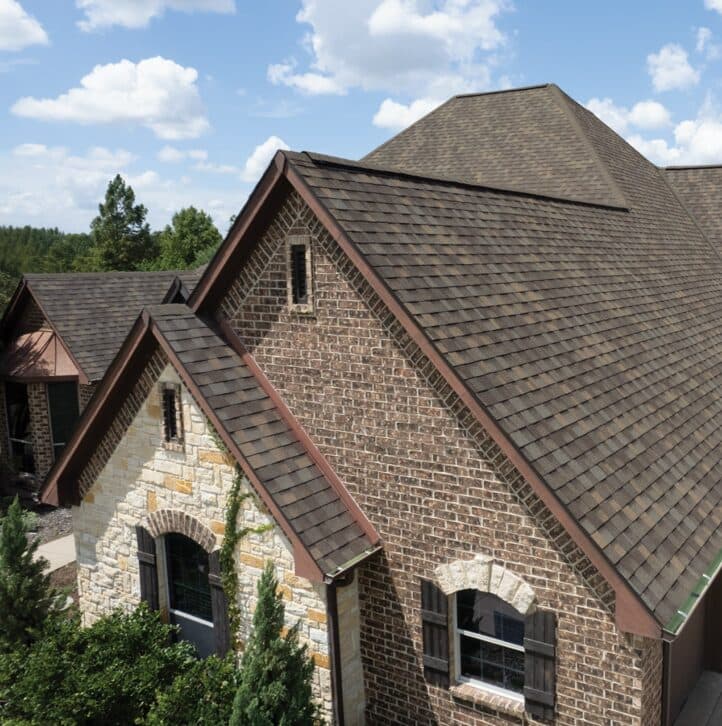
Best Roofing Materials for Vermont's Climate
May is here, the mud season roads are firming up, and across Lamoille County — from Cambridge to Johnson to Hyde Park — property owners are finally getting outside and taking a hard look at what winter left behind. For a lot of folks, that inspection includes a long stare at their roof.
Vermont winters are not gentle to buildings. We get freeze-thaw cycles that can happen a dozen times in a single month, ice dams that tear at eaves and flashings, heavy wet snow loads that push well past what most other states ever see, and winds that funnel hard off the Green Mountains. What performs beautifully on a house in the mid-Atlantic or even in New Hampshire can fail early here because of those specific conditions.
This time of year, the question we hear most is simple: What's the right roofing material for my house? There's no single answer — it depends on your roof's pitch, your home's architectural style, your budget, and how long you plan to stay. But there are clear patterns for what holds up in this climate and what doesn't. Here's an honest breakdown.
Understanding What Vermont's Climate Actually Does to a Roof
Before talking materials, it helps to understand the specific stresses Vermont roofs face. Most roofing failures here aren't random — they follow predictable patterns tied to our weather.
Freeze-Thaw Cycling
In a typical Vermont winter, temperatures swing above and below freezing repeatedly. Water that worked its way under shingles, into flashings, or through cracked sealant expands when it freezes and contracts when it thaws. Over a season or two, this cycling works small vulnerabilities into large ones. Materials that are brittle in cold — certain older shingle formulations, some synthetic underlayments not rated for cold climates — crack under this stress. Materials that stay flexible at low temperatures last significantly longer.
Ice Dams
Ice dams form when heat escapes through the roof deck, melts snow on the upper portion of the roof, and that melt water runs down and refreezes at the colder eave. The resulting ice ridge traps water behind it, and that standing water finds every imperfection in your roofing system. Cambridge sits at the base of the Sterling Range, and homes in the valley see serious snow accumulation — sometimes three to four feet on a roof after a good nor'easter. Ice dam risk is real here.
The right roofing material helps, but it's only part of the solution. Proper ventilation, quality ice-and-water shield at the eaves and valleys, and adequate attic insulation all work together. A good roofing contractor will address all of these — not just swap shingles.
Snow Loads
Vermont's ground snow load map tells the story. Lamoille County carries some of the higher design loads in the state, and roofs are engineered to handle that weight — but only if the roof deck and structure are sound and the roofing system isn't trapping moisture that rots the sheathing over time. Heavy roofing materials that add dead load to an already-stressed structure need to be considered carefully, especially on older homes.
Roofing Materials: What Works in Vermont and What Doesn't
Architectural Asphalt Shingles
This is still the most common residential roofing material in Vermont, and for good reason — when you buy quality, they perform well. The key word is quality. There's a significant difference between a builder-grade three-tab shingle and a premium architectural shingle with a 50-year manufacturer warranty and an impact-resistance rating.
For Vermont conditions, look for shingles rated for cold-weather flexibility, wind resistance of at least 110 mph, and an algae-resistant granule coating. Our damp, shaded conditions — especially on north-facing slopes and under tree canopy — accelerate algae growth, and once that black streaking takes hold it traps moisture and shortens the roof's life.
A well-installed premium architectural shingle on a properly ventilated roof with adequate ice-and-water shield can give you 25 to 35 years of solid service in this climate. A cheap shingle, poorly installed, might give you 12 to 15 before you're back at this decision.
Best for: Most residential applications, budget-conscious owners who don't want to compromise on quality, steeper-pitched roofs.
Metal Roofing
Metal has become increasingly popular across Vermont over the past 15 years, and it's not hard to understand why. Standing seam steel or aluminum handles Vermont winters exceptionally well. Snow slides off a metal roof faster and more completely than it does off shingles, which significantly reduces ice dam risk and live load on the structure. Metal doesn't absorb moisture, doesn't support algae growth, and doesn't crack in cold temperatures.
The lifespan argument is compelling too. A quality standing seam metal roof, properly installed with concealed fasteners and good flashings, should last 40 to 60 years with minimal maintenance. On a home you plan to hold for a long time — or a property you're thinking about as a long-term investment — the math often works out even at a higher upfront cost.
There are trade-offs. Metal roofing costs roughly two to three times what quality asphalt shingles cost installed. On older homes with complex rooflines, lots of penetrations, or irregular framing, installation is more involved. And exposed-fastener metal panels — the corrugated style you see on agricultural buildings — are not the same as standing seam. The fasteners on exposed-fastener panels eventually work loose or allow water infiltration and need periodic maintenance. For a permanent residential application, standing seam is almost always the better choice.
Best for: Higher-value homes, owners planning to stay long-term, steep-pitched roofs, properties that get heavy snow accumulation, commercial buildings with low-slope metal sections.
Rubber (EPDM) and TPO for Low-Slope Sections
A lot of Vermont homes — particularly cape-style and farmhouse additions — have sections with very low pitch where shingles simply aren't appropriate. On slopes below 2:12, you need a membrane system. EPDM (the black rubber membrane) has been the standard for decades and holds up well in cold temperatures. TPO is a newer option that performs comparably and is available in white, which can reduce heat absorption on commercial rooftops.
These systems depend heavily on the quality of the seams and terminations. A membrane with poor seaming will fail faster than a shingle roof. Inspection every three to five years and prompt attention to any seam separation or flashing failure will extend the life of these systems considerably.
Best for: Additions, porches, commercial buildings, and any section with a pitch under 2:12.
Cedar Shakes and Synthetic Alternatives
Natural cedar shake has a long history in Vermont and looks beautiful on the right house. The honest truth, though, is that cedar requires significant maintenance in our climate — regular cleaning, periodic treatment, and prompt replacement of split or missing shakes. In shaded, damp conditions like what you find on north-facing slopes around Cambridge, cedar can develop moss and rot faster than it should. It's a beautiful material that rewards attentive owners.
Synthetic shakes — molded from rubber or composite materials — have improved dramatically over the past decade. Some products now carry Class 4 impact ratings and 50-year warranties, and the better ones are visually convincing at normal viewing distance. They handle freeze-thaw and moisture exposure well. For someone who wants the look of cedar without the maintenance commitment, quality synthetic shakes are worth evaluating.
Best for: Historically styled homes, owners who want a specific aesthetic and are committed to maintenance (cedar), or those who want the look with less upkeep (synthetic).
The Details That Matter More Than the Material
Roofing contractors who've worked in Vermont long enough will tell you the same thing: the material is only as good as the system it's installed in. Here's what separates a roof that performs from one that doesn't.
Ice and Water Shield
Vermont code requires ice-and-water shield at the eaves, but the minimum isn't always enough. On a house with a history of ice damming, or one situated to collect drifting snow, extending that coverage up the roof and into all valleys adds meaningful protection. This is cheap insurance compared to the cost of water damage inside a finished ceiling.
Ventilation
An under-ventilated attic causes ice dams from the inside and shortens shingle life by overheating the roof deck in summer. Continuous ridge vent paired with adequate soffit intake is the standard, but older Vermont homes frequently have neither done correctly. Any time a roof is replaced, ventilation should be evaluated — not assumed.
Flashings
Most leaks don't come through the field of the roof. They come at chimneys, skylights, pipe penetrations, dormers, and valleys — anywhere two planes meet or something penetrates the roof surface. Properly installed, sealed, and stepped flashings in heavy-gauge metal are what make those transitions watertight for decades. It's also where shortcuts show up first on cheaper jobs.
Timing: Why Spring Is the Right Time to Act
We're in peak roofing season now. Temperatures are consistently above freezing, which matters for shingle installation — asphalt shingles need warmth to seal properly, and installing them in cold conditions affects how well they perform. Contractors have full crews available and lead times are reasonable in early spring before the summer rush hits. By late June, the best contractors in the area are booked out weeks, sometimes months.
If you noticed ice damming this past winter, missing or cracked shingles, granule buildup in your gutters, or any soft spots in the sheathing visible from the attic, don't let this season get away from you. A small problem addressed in May is a fraction of the cost of the same problem addressed after it's leaked through a ceiling.
Getting the Right Contractor for a Vermont Roof
A few things worth confirming before signing anything: Is the contractor licensed in Vermont? Do they carry current liability insurance and workers' compensation? Can they pull a permit where required? Do they offer a workmanship warranty separate from the manufacturer's material warranty?
Ask to see examples of similar work in the area. A contractor who has done roofs on older Vermont farmhouses, cape-style homes, or commercial flat-roof sections in Lamoille County and nearby towns knows the specific challenges those jobs present. That local experience matters — it shows in how they handle flashing around a Vermont-style center chimney, how they deal with uneven framing in an old addition, and how they approach ice dam prevention in a valley that drifts heavily every winter.
If you're evaluating your roof this spring and want to talk through your options with someone who knows Vermont construction, All-Star Contracting is a licensed, statewide Vermont roofing and siding contractor serving Cambridge and communities throughout the state. Give us a call at (802) 305-8151 or visit allstarcontracting.pro to schedule a free inspection.
Frequently Asked Questions
What is the best roofing material for Vermont winters?
Standing seam metal roofing and premium architectural asphalt shingles are the two most reliable choices for Vermont's climate. Metal performs exceptionally well in heavy snow conditions — it sheds snow faster, reducing ice dam risk and roof load — and can last 40 to 60 years. High-quality architectural shingles rated for cold-weather flexibility and high wind resistance offer a more budget-friendly option with a lifespan of 25 to 35 years when properly installed. In both cases, the installation system — ice-and-water shield, ventilation, and flashings — is just as important as the material itself.
How do I prevent ice dams on my Vermont roof?
Ice dams form when heat escaping through the roof deck melts snow, which then refreezes at the colder eave. Preventing them requires a combination of approaches: adequate attic insulation to keep the roof deck cold, proper ventilation (continuous ridge and soffit) to maintain consistent temperatures, and ice-and-water shield membrane installed at the eaves and valleys during roofing. No single material eliminates ice dam risk entirely, but metal roofing — because snow slides off it faster — significantly reduces the conditions that cause dams to form.
How often should a Vermont homeowner have their roof inspected?
A professional inspection every three to five years is a reasonable baseline, with additional inspections after any significant storm — heavy ice, strong winds, or a season with unusually heavy snow accumulation. Vermont's freeze-thaw cycles and ice dam exposure can accelerate wear in specific areas like flashings, eave edges, and valleys, which may look fine from the ground but show early-stage failure on close inspection. Catching problems early almost always costs far less than addressing water damage after it's penetrated the building.
Does Vermont require a permit for roof replacement?
Permit requirements for roof replacement in Vermont vary by municipality. Many towns require a permit for a full tear-off and replacement, particularly when structural repairs or changes to ventilation are involved. A licensed Vermont roofing contractor should handle permit applications where required and will know the requirements for your specific town. Working without a required permit can create issues with homeowners insurance claims and property sales, so it's worth confirming before work begins.
Need Help With Your Roof or Siding?
Schedule a free inspection — we'll assess your property and give you an honest recommendation.