
# Roof Replacement Cost in Vermont: What to Expect in 2026
Spring in Vermont has a way of showing you exactly what your roof went through over the winter. The freeze-thaw cycles we see from November through March — especially in Chittenden County, where temperatures can swing 40 degrees in a single day — are genuinely hard on roofing systems. By the time April rolls around and the snow finally clears, a lot of homeowners in Winooski, Burlington, Essex, and the surrounding communities are standing in their driveways looking up at their roofs and asking the same question: *What is this going to cost me?*
This guide is meant to answer that question honestly. No vague ranges that don't mean anything, no pressure tactics. Just a clear-eyed look at what drives roof replacement costs in Vermont in 2026, what you should expect to pay, and how to make a decision that protects your home's long-term value.
---
Why Vermont Roofing Costs More Than the National Average
You'll see national cost guides throw out numbers like $8,000–$12,000 for a roof replacement. Those figures come from markets in the South and Midwest where labor costs are lower, building codes are less demanding, and roofs simply don't have to endure what Vermont roofs do.
Here's what makes Vermont different:
Snow loads. Vermont's residential building code requires roofs to handle significant snow load — typically 40 to 50 pounds per square foot in most of Chittenden County. That means heavier structural requirements, more robust underlayment systems, and more careful attention to ventilation. A properly installed Vermont roof costs more because it has to do more.
Ice dam risk. Anyone who's owned a home in the Winooski River Valley knows what ice dams can do. Water backs up under shingles, gets into the deck, ruins insulation, and eventually finds its way into living spaces. Preventing ice dams requires proper attic ventilation, high-quality ice and water shield installed well past the eave line (we typically run it 6 feet up the slope, minimum), and a roofer who understands heat transfer. Shortcuts here are expensive mistakes.
Material delivery and labor. We're not a major metro area. Material costs reflect transportation to Vermont, and experienced roofing crews here are in high demand. A licensed, insured roofing contractor in Vermont is going to carry Worker's Compensation, General Liability, and in many cases surety bonding — all of which factor into project costs.
Short working seasons. Vermont roofers are busiest from late April through October. That compressed window creates real demand pressure on pricing and scheduling, particularly in spring when everyone wants work done at once.
---
2026 Vermont Roof Replacement Cost Ranges
The following are honest, current estimates for a full tear-off and replacement on a typical Vermont residential roof. These assume a single-story home with standard pitch (4:12 to 8:12), no major structural repairs needed, and standard architectural shingles.
Asphalt Architectural Shingles (Most Common)
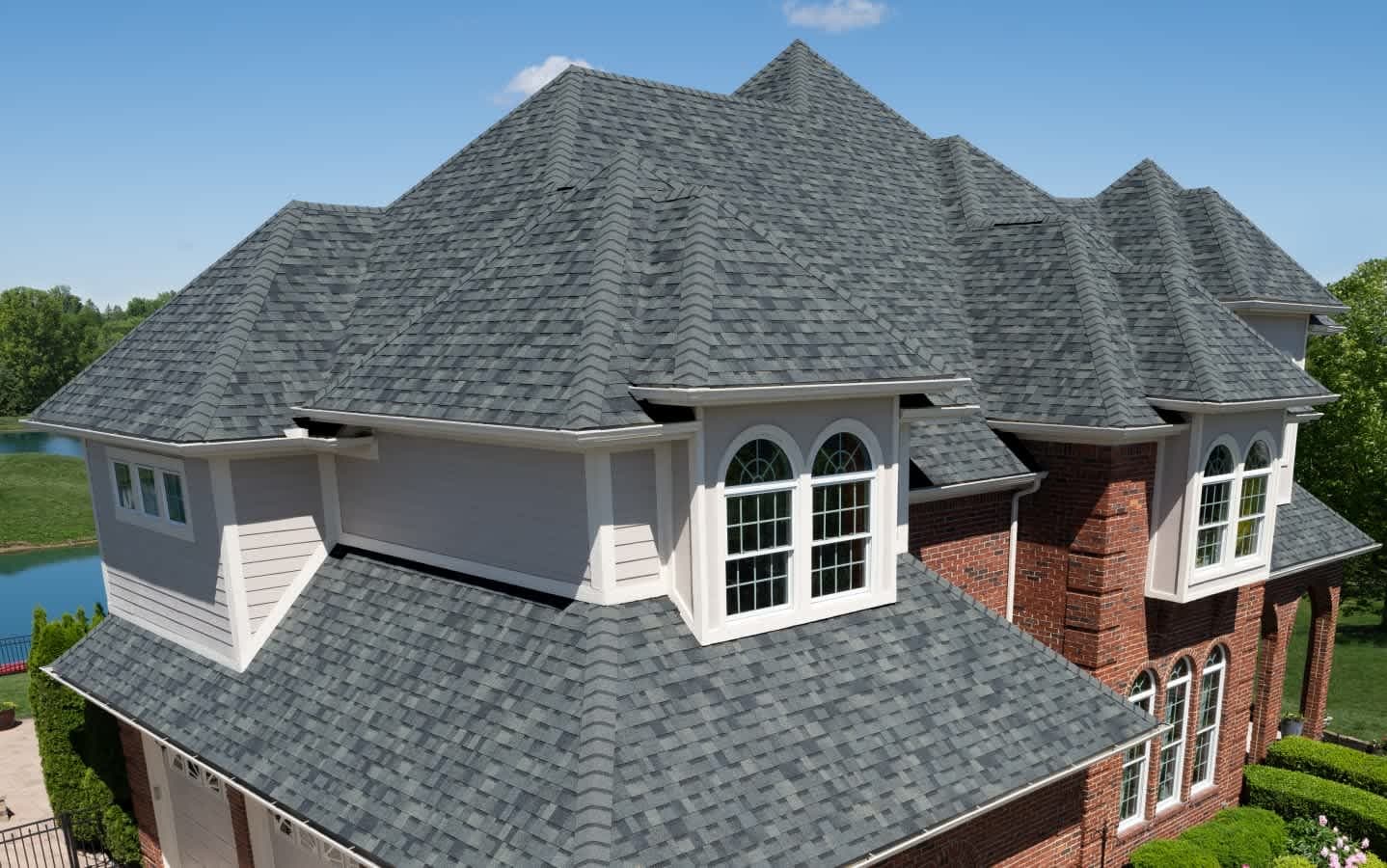
This is what the majority of Vermont homes have, and for good reason. Quality architectural shingles from manufacturers like CertainTeed, GAF, or Owens Corning hold up well here, carry strong warranties, and perform reliably in cold climates.
- 1,000–1,500 sq ft of roof surface: $9,500 – $14,000
- 1,500–2,500 sq ft of roof surface: $13,500 – $22,000
- 2,500+ sq ft (larger or complex rooflines): $20,000 – $35,000+
Metal Roofing
Standing seam metal roofing has grown significantly in popularity across Vermont over the past decade, and honestly, for this climate, it's worth serious consideration. Metal sheds snow better, doesn't support ice dam formation the same way asphalt does, and lasts 40–70 years with minimal maintenance.
- Typical residential installation: $18,000 – $40,000+
- Premium alloys or complex installations: $35,000 – $60,000+
Rubber (EPDM) and Flat/Low-Slope Roofing
Many Vermont homes — particularly older colonials and farmhouses that have been added onto over the decades — have low-slope sections. EPDM membrane roofing is typically priced by the square (100 sq ft).
- EPDM membrane (installed): $600 – $1,000 per square
- TPO membrane: $700 – $1,100 per square
What Adds Cost to a Roof Project
These are the most common factors that push a project above base estimates:
Decking damage. After a harsh winter, it's not uncommon to pull back old shingles and find rotted or delaminated sheathing underneath. Replacing damaged decking runs $3–$5 per square foot, and you may not know the extent until tear-off begins. Any reputable contractor will identify this early and walk you through the options before proceeding.
Steep pitch. Roofs steeper than 9:12 require different safety rigging, slower installation pace, and more labor hours. Expect a 15–25% premium for steep work.
Multiple layers. Vermont has a lot of older housing stock — including a lot of homes in Winooski and South Burlington where shingle-over-shingle jobs were done decades ago. Removing multiple layers before installation adds $1,000–$3,000 to most projects.
Skylights, chimneys, and dormers. Every penetration and vertical transition is a potential leak point and requires careful flashing work. Complex rooflines with lots of dormers — common in older Vermont farmhouses and Victorians — add time and cost.
Permits. Most Vermont municipalities require a building permit for a full roof replacement. In Burlington and surrounding Chittenden County towns, permit fees typically run $150–$400. Your contractor should pull this permit — if they suggest skipping it, that's a red flag.
---
Spring 2026: A Good Time to Move Forward
April is genuinely one of the better months to start thinking about a roof project, even if you won't have work done until May or June. Here's why:
Contractors are booking now. The crews you want — licensed, experienced, with good references — fill their schedules in spring. Waiting until July or August often means settling for whoever has availability, or pushing the project into fall when weather windows shrink fast.
Post-winter inspection makes sense right now. The damage from this past winter is visible today. Ice dam staining on interior ceilings, granule loss visible in gutters after snowmelt, lifted or cracked shingles exposed by the thaw — all of this is easier to assess in April than in midsummer.
Siding season also opens in spring. If you're planning both a roof and siding project, sequencing matters. Roofing should always be done first, and spring gives you the runway to do both before fall. Vermont siding installations — whether fiber cement, vinyl, or wood — need to happen in temperatures above 40°F for proper material performance and sealant adhesion.
---
How to Evaluate a Roofing Contractor in Vermont
You're making a $10,000–$30,000 decision. Here's what to actually look for:
- Vermont contractor's license. Vermont requires roofing contractors to be licensed. Ask for the license number and verify it at the Secretary of State's office.
- Proof of insurance. Request a certificate of insurance showing current GL and Workers' Comp coverage. Call the carrier to verify if you want to be thorough — it's your right.
- Written scope of work. A quote that just says "tear off and replace roof" isn't good enough. You want to know exactly what underlayment system, ice and water shield spec, ventilation plan, and shingle product they're using.
- Local references. Ask for references from projects in your area — ideally in Winooski, Colchester, Williston, or wherever you are. Vermont homeowners will tell you the truth about their experience.
- No pressure on timing. A contractor who tells you that you need to sign today is not the contractor you want on your house.
Get a Straight Answer on Your Project
All-Star Contracting is a licensed Vermont roofing and siding contractor serving Winooski and communities throughout Chittenden County and the rest of the state. We do free estimates, we pull permits, and we'll tell you what your roof actually needs — not what generates the biggest invoice.
If your roof took a beating this winter and you want an honest evaluation before you commit to anything, give us a call at (802) 305-8151 or visit [allstarcontracting.pro](https://www.allstarcontracting.pro) to get in touch. Spring books fast around here.
---
Frequently Asked Questions
How much does a roof replacement cost in Vermont in 2026?
For most Vermont homes with asphalt architectural shingles, a full roof replacement runs between $13,500 and $22,000 for a typical 1,500–2,500 sq ft roof surface. Larger homes, steep pitches, metal roofing, or significant deck damage can push that figure higher. Vermont-specific factors — snow load requirements, ice and water shield specs, and short labor seasons — mean costs here run higher than national averages.
How long does a roof last in Vermont's climate?
A properly installed asphalt architectural shingle roof in Vermont typically lasts 20–30 years. Metal roofing can last 40–70 years. The key word is *properly installed* — Vermont's freeze-thaw cycles will find every shortcut. Ventilation, ice shield, and flashing quality matter enormously here.
Is spring a good time to replace a roof in Vermont?
Yes — both for practical and scheduling reasons. Spring weather above freezing allows proper shingle sealing, and you can see winter damage clearly. More importantly, the best contractors book up quickly in spring. Getting on a schedule in April or May typically means a June or July installation, before the fall rush.
Do I need a permit for a roof replacement in Vermont?
In most Vermont municipalities, yes. A full tear-off and replacement requires a building permit. Your contractor should handle pulling the permit as part of the project — it protects you legally and ensures the work is inspected. Be cautious of any contractor who suggests skipping this step.
Frequently Asked Questions
How much does a roof replacement cost in Vermont in 2026?
For most Vermont homes with asphalt architectural shingles, a full roof replacement runs between $13,500 and $22,000 for a typical 1,500–2,500 sq ft roof surface. Larger homes, steep pitches, metal roofing, or significant deck damage can push that figure higher. Vermont-specific factors — snow load requirements, ice and water shield specs, and short labor seasons — mean costs here run higher than national averages.
How long does a roof last in Vermont's climate?
A properly installed asphalt architectural shingle roof in Vermont typically lasts 20–30 years. Metal roofing can last 40–70 years. Vermont's freeze-thaw cycles will find every shortcut, so ventilation, ice shield, and flashing quality matter enormously here.
Is spring a good time to replace a roof in Vermont?
Yes — both for practical and scheduling reasons. Spring weather above freezing allows proper shingle sealing, and winter damage is clearly visible after snowmelt. The best contractors book up quickly in spring, so getting on a schedule in April or May typically means a June or July installation before the fall rush.
Do I need a permit for a roof replacement in Vermont?
In most Vermont municipalities, yes. A full tear-off and replacement requires a building permit. Your contractor should handle pulling the permit as part of the project — it protects you legally and ensures the work is inspected. Be cautious of any contractor who suggests skipping this step.
Need Help With Your Roof or Siding?
Schedule a free inspection — we'll assess your property and give you an honest recommendation.